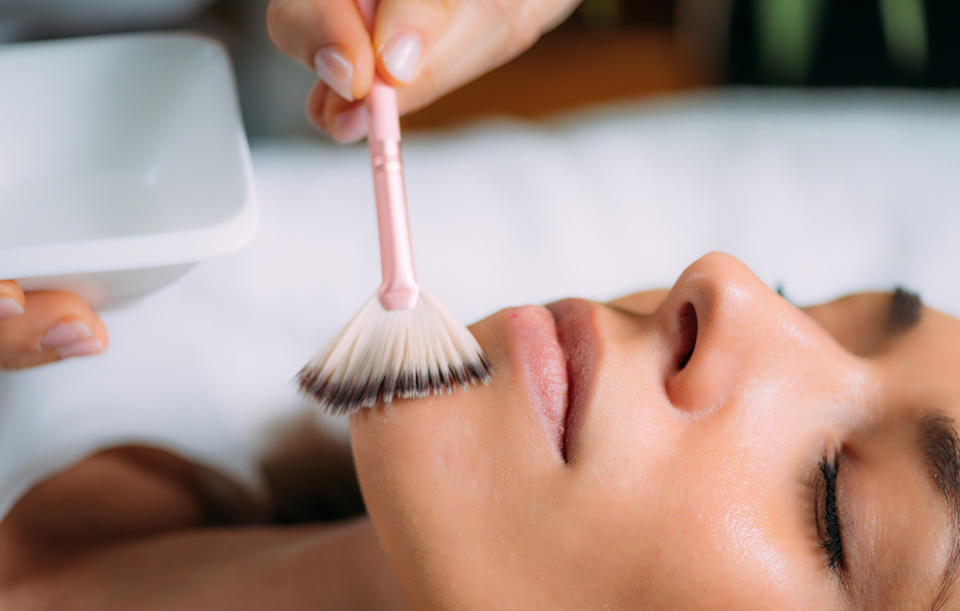
Your skin is constantly working to renew itself. Cells turn over, collagen is produced, and the surface regenerates naturally. But as you age, that renewal process slows down considerably. The result is duller skin, more visible lines, uneven tone, and a general decline in the quality of your skin that you had in earlier years. That is precisely where skin rejuvenation comes in.
Skin rejuvenation is not a single treatment or a magic solution. It is a clinically informed approach to restoring your skin’s natural vitality by triggering the biological processes that slow with age and environmental damage. If you have heard the term used often but are not sure what it actually means or how it works, this blog will give you a clear, thorough answer.
What Is Skin Rejuvenation?
At its core, skin rejuvenation refers to a category of non-surgical treatments designed to improve the texture, tone, firmness, and overall quality of your skin. These treatments are not about changing how you look in a dramatic sense. They are about restoring how your skin functions and responds, which then naturally improves how it looks. According to research published by the National Institutes of Health, skin rejuvenation treatments work by inducing controlled stimulation in the dermal layer, triggering the body’s own healing response and accelerating the production of collagen and elastin.
What Does Skin Rejuvenation Address?
Skin rejuvenation is one of the most versatile categories in aesthetic medicine. A well-designed treatment protocol can address fine lines and wrinkles, loose or sagging skin, hyperpigmentation and sun damage, enlarged pores and rough texture, and general dullness or uneven tone. Some protocols extend further to acne scarring and stretch marks, where the same collagen-stimulating principles are applied to the structural deficit left by scarring and skin stretching.
How Does Laser Skin Rejuvenation Work?
The most clinically established form of skin rejuvenation today uses cosmetic laser technology. Laser energy is delivered to the dermal layer in a precise, controlled manner. The skin interprets this targeted energy as a signal to rebuild. It produces new collagen fibers, accelerates cellular turnover, and gradually improves the visible quality of the treated area, all without damaging the surrounding tissue.
Most sessions last between 15 and 30 minutes. Following treatment, clients may experience mild redness for a day or two, which is a normal and expected part of the skin’s renewal response. Sessions are typically spaced a few weeks apart, allowing the skin to heal and respond between appointments.
What Results Can You Expect?
Results from skin rejuvenation treatments are progressive, not immediate. Most clients notice initial improvements in skin texture and clarity after two to three sessions in a series. The most significant changes, including improved firmness, elasticity, and tone, develop over several months as collagen continues to rebuild. According to clinical research, the optimal results from a standard four-session protocol are typically visible between months two and six following the final treatment.
How Many Sessions Do You Need?
Most skin rejuvenation protocols recommend a series of four sessions to achieve the best cumulative outcome. Your provider will give you a specific plan based on your skin type, concerns, and goals at your initial consultation. Following the completion of your series, occasional maintenance sessions can help sustain the results over the longer term.
If you are ready to experience what skin rejuvenation can do for your skin, Invisible Age Clinic in Flatiron, Manhattan, offers a free consultation to guide you toward the right approach. Book your appointment today and take the first step toward healthier, more youthful-looking skin.
Category
Latest From Blog
Benefits Of Non-Surgical Body Sculpting Treatments
How Long Do Body Contouring Results Last?
Best Skin Tightening Treatments For Aging Skin