



Skin laxity is one of the most common concerns that brings people to an aesthetic clinic for the first time. You start to notice that your skin does not quite bounce back the way it once did. The contours of your face or body look a little less defined. Your skincare routine is consistent, but it cannot replicate what has been lost from the inside out. That is where clinical skin tightening comes in.
The good news is that surgery is no longer the only path to meaningful improvement in skin firmness. Today’s non-surgical skin tightening treatments use advanced energy-based technologies to rebuild the structural proteins that give skin its resilience, definition, and lift. If you are wondering which treatments actually work and why, this blog has the answers.
Why Does Skin Lose Firmness With Age?
Understanding why skin loses its firmness makes it much easier to understand how clinical skin tightening works. Your skin’s structural support comes from two proteins: collagen and elastin. Collagen provides the tensile strength, while elastin allows the skin to stretch and return to its original shape. From around your mid-20s, collagen production begins to gradually decline. UV exposure, pollution, stress, and lifestyle factors all accelerate that loss further. By the time many clients consider skin-tightening treatment, they have already lost a significant portion of their skin’s underlying support.
Laser-Based Skin Tightening
Laser therapy is one of the most established approaches to non-surgical skin tightening. Cosmetic laser energy is delivered precisely to the dermis, stimulating a healing response that promotes the production of new collagen and elastin. The skin’s structural matrix gradually rebuilds over a series of sessions, producing visibly firmer and smoother skin. Laser-based skin tightening is particularly effective for the face, neck, decolletage, and hands, where laxity tends to become most visible first.
Radiofrequency Energy For Skin Firming
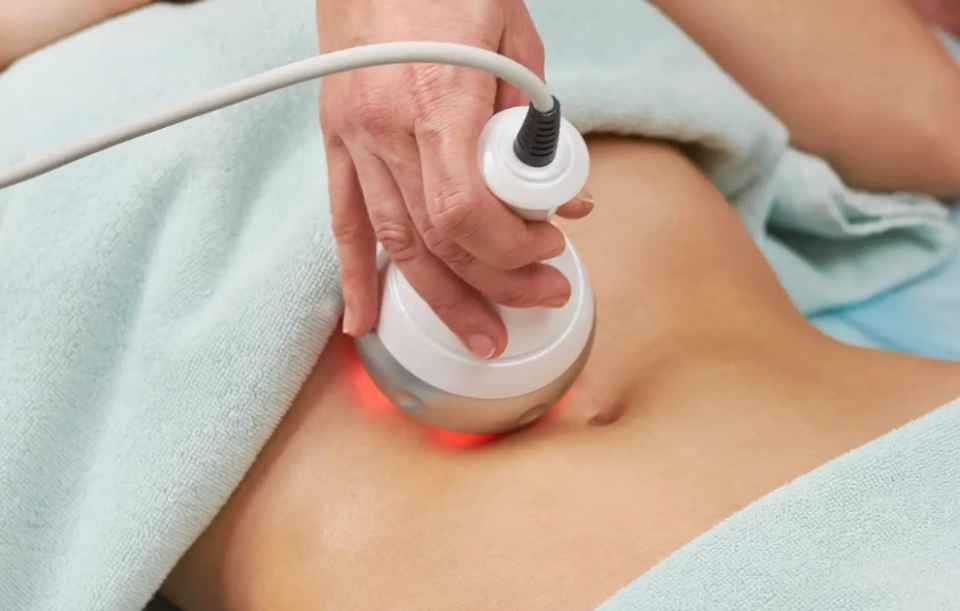
Radiofrequency-based treatment is another clinically proven approach to non-surgical skin tightening. RF energy heats the subdermal layer of the skin to a precise temperature, causing existing collagen fibers to contract while triggering the formation of new ones. This dual mechanism is what makes RF treatment particularly effective: it delivers an immediate tightening response while also setting in motion a longer-term collagen-building process. RF Lipolysis is a variant that combines fat reduction with this skin-tightening effect in a single session.
What To Expect From Treatment
One of the most important things to understand about non-surgical skin tightening is that results develop gradually. These treatments work by encouraging your body’s own biological processes to rebuild collagen, which takes time. Most clients notice progressive improvement over several months, with the most significant changes appearing three to six months after completing their recommended series. In terms of comfort, laser and RF-based sessions are generally described as warm or mildly tingly, with mild redness for a day or two following each appointment.
Who Is A Good Candidate?
Clinical skin tightening treatments suit a wide range of clients, from those beginning to notice early signs of laxity to those with more established firmness concerns. These treatments are most effective for individuals with mild to moderate skin laxity. Clients with very advanced laxity may require a combination approach or a more intensive protocol. Your provider will assess your specific situation at consultation and recommend the most appropriate treatment plan.
If firmer, more refined skin is what you are looking for, Invisible Age Clinic in Flatiron, Manhattan, offers expert skin-tightening treatments with a free consultation to start. Book yours today and get a personalized plan built specifically around your skin and goals.

Category
Latest From Blog
Benefits Of Non-Surgical Body Sculpting Treatments
How Long Do Body Contouring Results Last?
Best Skin Tightening Treatments For Aging Skin